What is a cryptocurrency wallet and how does it work?
Learn what a crypto wallet really stores, how public and private keys work, and the difference between hot and cold wallets.
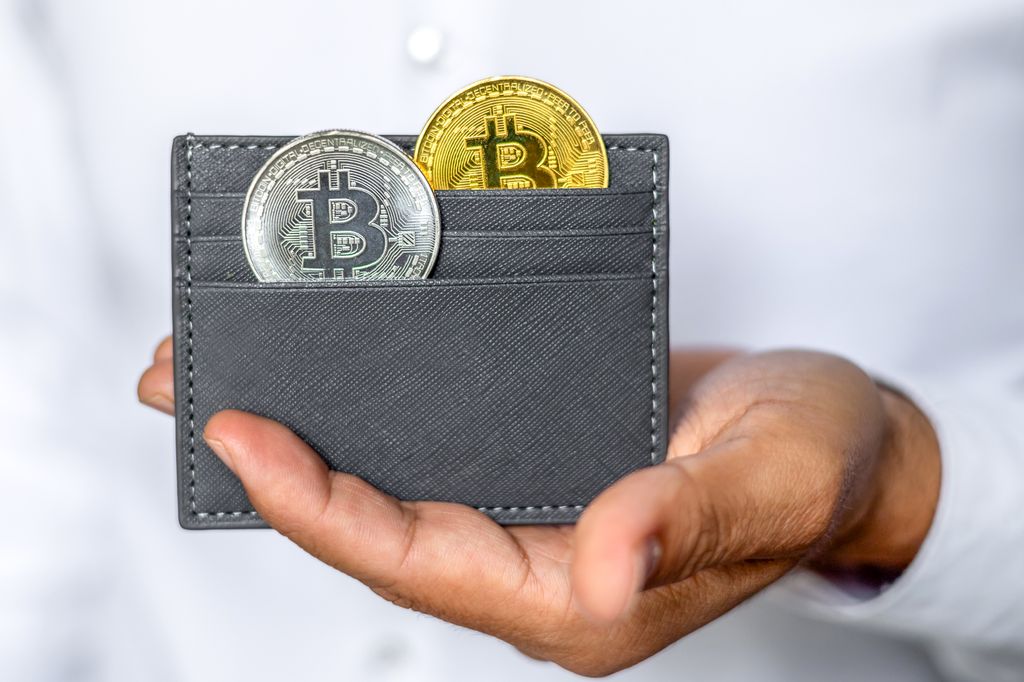
A cryptocurrency wallet is a tool that stores the private keys you need to access and manage digital assets recorded on a blockchain. It does not hold coins or tokens like a physical wallet holds cash. Instead, it holds the secret codes that prove you own the assets and let you send them to others. This guide explains how wallets work, the types available, and what can go wrong.
What a crypto wallet actually does
When you buy cryptocurrency, the coins exist only as entries on a shared digital ledger called a blockchain. Your wallet gives you the ability to read and update those entries. It does this by storing two pieces of cryptographic information: a public key and a private key.
The public key is like an email address. You share it to receive funds. The private key is like the password to that email account. Anyone who has it can send your assets away. The wallet software also generates a wallet address, which is a shortened, hashed version of your public key that people use to send you crypto.
Because the wallet holds your keys, it acts as your identity on the network. If you lose the private key, you lose access to the assets permanently. There is no customer service line to call. That is why wallet design and backup matter so much.
How a crypto wallet works, step by step
Here is the basic process when someone sends you cryptocurrency:
- The sender creates a transaction on the blockchain, specifying your wallet address and the amount.
- The transaction is broadcast to the network, where computers called nodes verify it.
- The sender’s wallet signs the transaction with the sender’s private key, proving they own the funds.
- Once verified, the blockchain updates the ledger: the sender’s balance decreases, and your balance increases.
- Your wallet detects the change and shows the new balance, but it never actually received coins. It only tracks the ledger.
When you send crypto, the reverse happens. Your wallet signs the transaction with your private key. The network checks that signature against your public key. If they match, the transaction is valid. This is how ownership is proven without revealing the private key itself.
The moving parts: keys, addresses, and seed phrases
To use a wallet, you need to understand a few terms:
- Public key: A long string of characters derived from your private key. It is used to generate your wallet address.
- Private key: A secret string of characters that proves ownership. Never share it with anyone.
- Wallet address: A hashed version of the public key, usually shown as a QR code or a string like
1A1zP1eP5QGefi2DMPTfTL5SLmv7DivfNa. - Seed phrase: A list of 12 to 24 words that can regenerate your private keys. It is the backup for your entire wallet.
Think of the seed phrase as a master key. If you lose your phone or hardware device, you can restore the wallet on a new device using the seed phrase. If someone steals the seed phrase, they can drain every asset in that wallet.
Types of wallets: hot vs. cold
Wallets fall into two broad categories based on whether the private keys are connected to the internet.
Hot wallets
Hot wallets are software that runs on internet-connected devices like phones, computers, or web browsers. Examples include mobile apps, desktop programs, and wallets provided by crypto exchanges. They are convenient for frequent transactions and often free. But because they are online, they are more exposed to hacking, malware, and phishing.
Cold wallets
Cold wallets keep private keys offline. The most common types are hardware wallets (small USB-like devices) and paper wallets (keys printed or written on paper). Cold wallets are much harder to hack remotely, but they are less convenient for everyday spending. You have to plug in the device or manually enter keys to make a transaction.
There is also a distinction between custodial and non-custodial wallets. With a custodial wallet, such as one offered by an exchange, the company holds your private keys. You control the account, but not the keys. With a non-custodial wallet, you hold the keys yourself. That gives you full control, but also full responsibility for backup and security.
Worked example: Maya sends bitcoin to her hardware wallet
Maya bought $500 worth of bitcoin on a crypto exchange. The exchange gave her a custodial wallet, meaning the exchange held the private keys. She decides to move the bitcoin to her own hardware wallet for long-term storage.
She sets up the hardware wallet and writes down the 24-word seed phrase on a piece of paper. The device generates a public address that looks like bc1q...xyz. From the exchange app, she enters that address and sends 0.01 bitcoin. The exchange charges a network fee of 0.0002 bitcoin. The table below shows the amounts:
| Step | Amount (BTC) | Explanation |
|---|---|---|
| Balance on exchange | 0.0100 | Maya’s original purchase |
| Network fee | 0.0002 | Paid to miners to process the transaction |
| Sent to hardware wallet | 0.0098 | 0.0100 - 0.0002 = 0.0098 |
| Balance on exchange after | 0.0000 | All bitcoin moved out |
After the transaction confirms, the blockchain shows 0.0098 bitcoin at Maya’s new address. Her hardware wallet displays that balance. The private keys never left the device. If she later wants to spend that bitcoin, she will connect the device to a computer and approve the transaction with a button press.
What people get wrong about crypto wallets
Several mistakes trip up beginners:
- Thinking the wallet stores the coins. The wallet only stores keys. The coins live on the blockchain. If you delete the wallet app but have your seed phrase, you can recover the keys and access your assets.
- Sharing the seed phrase with “support.” No legitimate support team will ever ask for your seed phrase. Anyone who has it can steal everything. Keep it written down and offline.
- Using a hot wallet for large amounts. Hot wallets are convenient, but they are more vulnerable to hacks. Many people keep small amounts for spending in a hot wallet and store larger amounts in a cold wallet.
- Confusing the wallet address with the private key. The address is public and safe to share. The private key is secret. Sharing the address lets people send you funds; sharing the key lets them take yours.
The risks you should know about
Cryptocurrency is a high-risk asset class. Prices can swing wildly, and you can lose your entire investment. Wallets add another layer of risk. If you lose your private key or seed phrase, there is no way to recover your funds. If a hacker gets your key, they can steal everything. Even reputable wallet providers can have bugs or go out of business. The SEC’s investor education page warns that crypto investments can be subject to fraud and technical failures.
There is also the risk of sending funds to the wrong address. Blockchain transactions are irreversible. Once confirmed, you cannot get the money back. Always double-check the address and the network you are using.
Where this leaves you
A cryptocurrency wallet is a key management tool, not a storage container. It lets you interact with the blockchain using public and private keys. Hot wallets are convenient but riskier; cold wallets are safer but less convenient. The choice depends on how often you transact and how much you hold. Understand the trade-offs before you put any money at risk.
Key takeaways
- A crypto wallet stores private keys, not the coins themselves.
- Public keys are for receiving funds; private keys prove ownership and must stay secret.
- Hot wallets are online and convenient but more vulnerable to hacks.
- Cold wallets like hardware devices keep keys offline for stronger security.
What This Means For Your Money
How this could affect the money decisions in front of you.
What to understand
A crypto wallet determines who controls your digital assets and how safely they are stored.
What to watch for
The main risks are losing your private keys, falling for phishing scams, and the volatility of crypto prices.
Put it to work
Frequently asked questions
Do I need a crypto wallet to own cryptocurrency?
What happens if I lose my hardware wallet?
Is a crypto wallet the same as an exchange account?
Can a crypto wallet be hacked?
Sources
Was this helpful?
Written by Mohammed Salman — Editorial Team
The MoneyPilot editorial team researches and writes every guide on the site. We explain how consumer finance works in plain English, starting from primary sources (the CFPB, the Federal Reserve, the FDIC and NCUA, the SEC and IRS) and we label every estimate and example as illustrative. Guides with formulas or regulatory detail are also checked by a financial reviewer before they are marked as reviewed. See our editorial policy for how a guide is researched, fact-checked, and kept current.
More from Mohammed Salman →This article is educational information only. It is not financial, investment, or tax advice. Investing and cryptocurrency involve risk, including the possible loss of principal. Verify details with a qualified professional. It was drafted with AI assistance and reviewed by the MoneyPilot editorial team before publication; see our Editorial Policy.
Your Next Money Move
Based on what you just read, take the next step toward a smarter money decision.