
What Happens If Your Information Ends Up on the Dark Web?
What it actually means when a breach notice says your data was found on the dark web, and the steps that limit the damage.
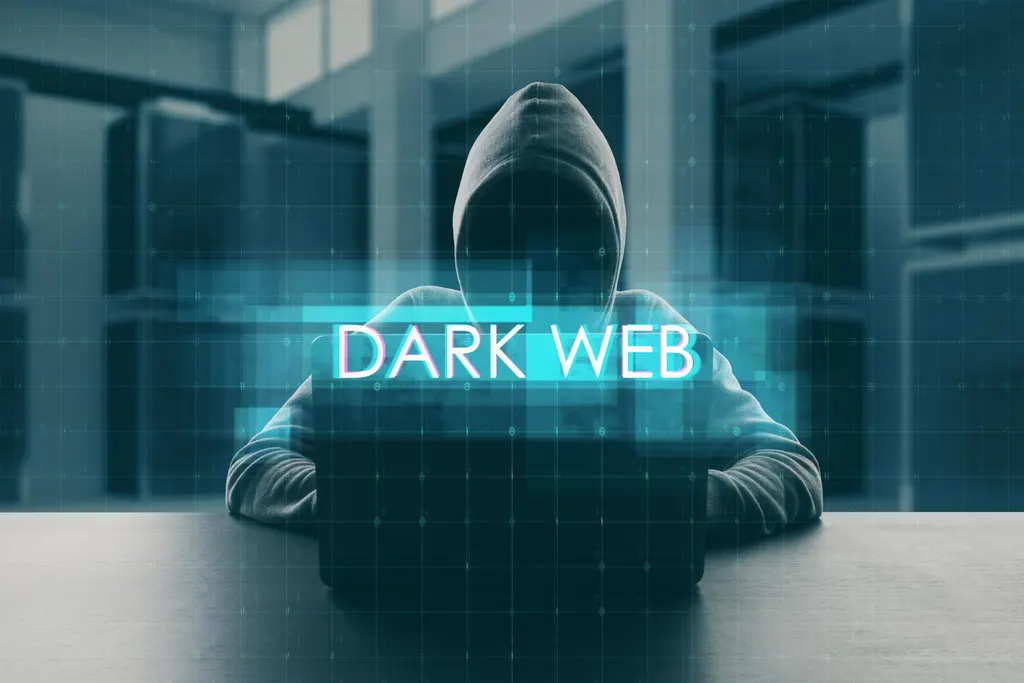
A breach notification email, a password manager warning, or a dark web scan from your bank all say some version of the same thing: part of your personal information — an email and password, a Social Security number, a card number — was found for sale or exchange on the dark web. That phrase sounds alarming, and it should get your attention, but it doesn't mean your identity has already been stolen. It means your information is now available to people who might try.
What "on the dark web" actually means
The dark web is a part of the internet that isn't indexed by regular search engines and typically requires special software to access. Criminals use it to buy, sell, and trade stolen data in bulk — email and password combinations from old breaches, card numbers, Social Security numbers, medical ID numbers. When a monitoring service says it found your information there, it usually means your data appeared in one of these traded lists, often originating from a company data breach rather than anything you did wrong.
What can actually happen next
Having your information circulate doesn't automatically lead to fraud, but it raises the odds of a few specific things:
- New-account fraud: someone uses your name and Social Security number to open a credit card, phone plan, or loan.
- Account takeover: if a leaked password is reused elsewhere, criminals try it on banking, email, and shopping accounts (this is called credential stuffing).
- Tax fraud: a fraudulent tax return is filed in your name to claim a refund before you file your real one.
- Targeted phishing: scammers use real details about you to make a follow-up scam call or email far more convincing.
What to do first — in order
- Freeze your credit at all three bureaus (Equifax, Experian, TransUnion). This is free, reversible, and stops most new-account fraud outright because lenders can't pull your credit file to approve anything.
- Change the password on the exposed account and anywhere else you reused it — starting with email, since email is usually the recovery method for everything else.
- Turn on two-factor authentication on your email and financial accounts if it isn't already on.
- Watch your bank and card statements for a few billing cycles, and set up transaction alerts if your bank offers them.
- File your taxes early in the following season if a Social Security number was involved, to reduce the window for tax-refund fraud.
Should you pay for dark web monitoring?
Monitoring services scan the dark web and tell you if your data shows up — that's useful information, but it's a smoke detector, not a lock on the door. It tells you a fire might start; it doesn't put it out. A credit freeze is free and directly blocks the most damaging outcome (new accounts opened in your name), so it's worth doing regardless of whether you pay for monitoring. Treat a paid monitoring service as a convenience for the notification, not a substitute for the freeze.
If you find signs of actual misuse
If you spot an account you didn't open or a charge you didn't make, go to IdentityTheft.gov. It's a free federal government resource that walks you through the report and gives you a personalized recovery plan and pre-filled letters for creditors and credit bureaus.
What this means for your money going forward
A dark web alert is a warning, not a verdict. The accounts that actually protect you — a credit freeze, unique passwords, two-factor authentication — cost nothing and take under an hour combined. Do those first, then decide separately whether ongoing paid monitoring is worth it for your peace of mind.
Key takeaways
- Appearing on the dark web raises your risk of fraud — it doesn't mean fraud has already happened.
- A credit freeze is free at all three bureaus and is the single most effective step against new-account fraud.
- Reused passwords are the real multiplier: change the password anywhere you used the exposed email or password combination.
- Free dark web monitoring often duplicates what a credit freeze already blocks — it's a smoke detector, not a lock.
- IdentityTheft.gov gives you a free, personalized recovery plan if you confirm actual misuse.
What This Means For Your Money
How this could affect the money decisions in front of you.
Credit
A free credit freeze blocks most new-account fraud immediately, at no cost.
Taxes
Filing early the next season reduces the window for a fraudulent refund claim in your name.
Put it to work
Frequently asked questions
Does a dark web alert mean I've been hacked?
Is a credit freeze the same as a credit lock?
Will freezing my credit hurt my credit score?
Sources
Was this helpful?
Written by Mohammed Salman — Founder & Editor, MoneyPilot
Mohammed Salman founded MoneyPilot and writes and edits every guide on the site. He explains how US consumer finance works in plain English, starting from primary sources (the CFPB, the Federal Reserve, the FDIC and NCUA, the SEC and IRS) and labels every estimate and example as illustrative. He is not a licensed financial adviser; MoneyPilot is educational information, not advice. See the editorial policy for how each guide is researched, fact-checked, and kept current.
More from Mohammed Salman →This content is educational and provides estimates only. It is not personalized financial advice. Verify rates and products with providers and qualified professionals.
Your Next Money Move
Based on what you just read, take the next step toward a smarter money decision.
More in Credit
Credit
How Does Credit Card Interest Actually Work?
A plain-English look at daily compounding, grace periods, and why minimum payments stretch debt for years.
Credit
How Does Credit Utilization Affect Your Credit Score?
Credit utilization is the share of your revolving credit limits you're using, and it's one of the biggest levers on your score.

Credit
What Counts as a Good Credit Score?
Learn what lenders consider a good credit score, how ranges work, and what affects your number.

Credit
How Is a Credit Score Calculated?
Learn the five factors that make up your credit score and how they work together.